Opening Ceremony and Studium Generale of Summer Course 2026 Highlight Cultural Landscape Collaboration
Opening Ceremony and Studium Generale of Summer Course 2026 Highlight Cultural Landscape Collaboration
 webmaster
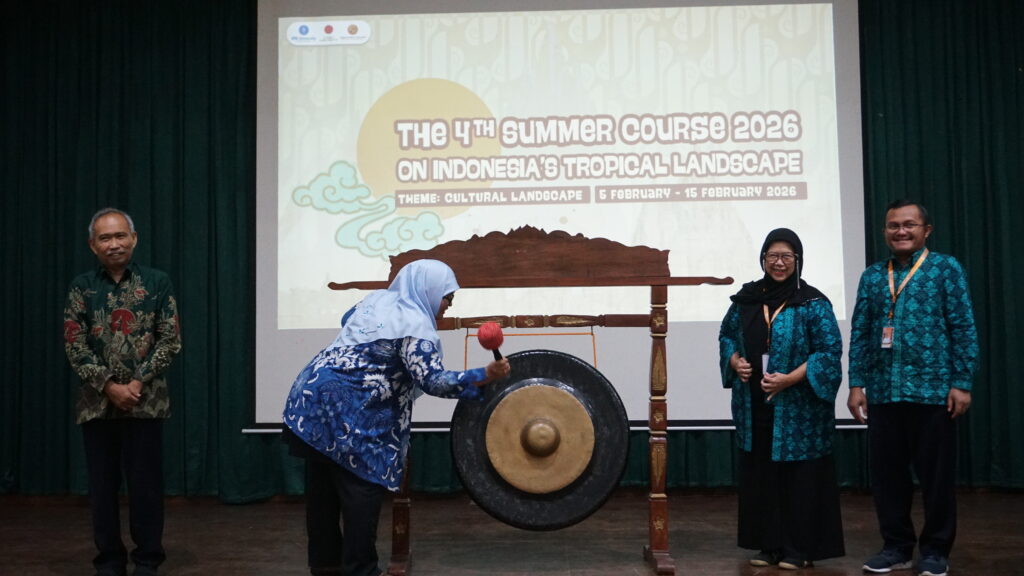
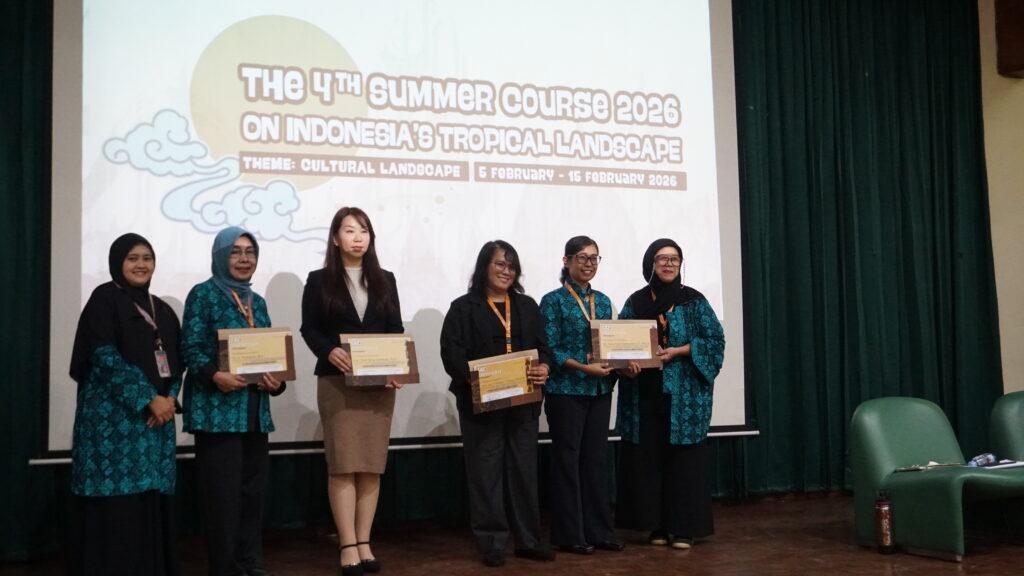
Bogor, 6 February 2026 – The Department of Landscape Architecture, Faculty of Agriculture, IPB University officially opened the Opening Ceremony and Studium Generale of the Summer Course 2026 under the theme “Cultural Landscape” on Thursday (6/2). The event was attended by representatives of the Indonesian Society of Landscape Architects (IALI), lecturers of the Department of Landscape Architecture, and undergraduate and master’s students of Landscape Architecture, with a total of 40 participants. In addition, 16 Summer Course participants from three countries—Japan, the Philippines, and Indonesia—joined the program.
The event was warmly welcomed by the Summer Course organizing committee and began with the singing of the national anthem “Indonesia Raya” and the “Hymn of IPB University.” The opening session continued with a prayer led by Dr. Nizar Nasrullah.
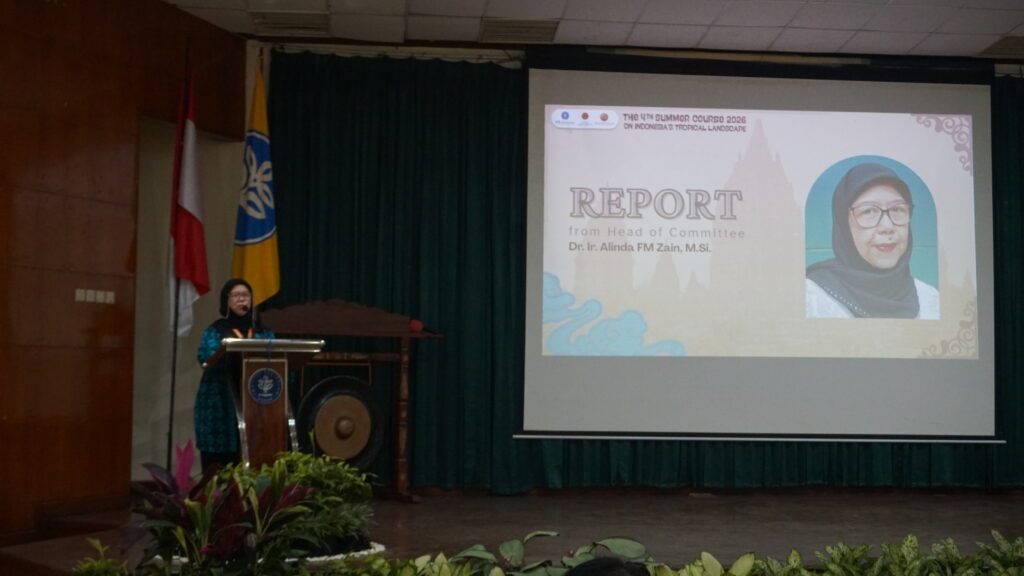
The Head of Committee, Dr. Ir. Alinda FM Zain, M.Si., delivered the committee report, emphasizing that The 4th Summer Course on Indonesia Tropical Landscape aims to strengthen the international academic atmosphere, sustain collaboration with partner universities, and create new academic partnerships.
The program is organized by the Department of Landscape Architecture, Faculty of Agriculture, IPB University, in collaboration with the Graduate School of Horticulture, Chiba University, and Bulacan State University, Philippines. The on-site program will be held at IPB University, Dramaga Campus, Bogor, from 5–15 February 2026, followed by an online course from 23 February to 6 March 2026, which is open to a wider audience interested in tropical and cultural landscapes.
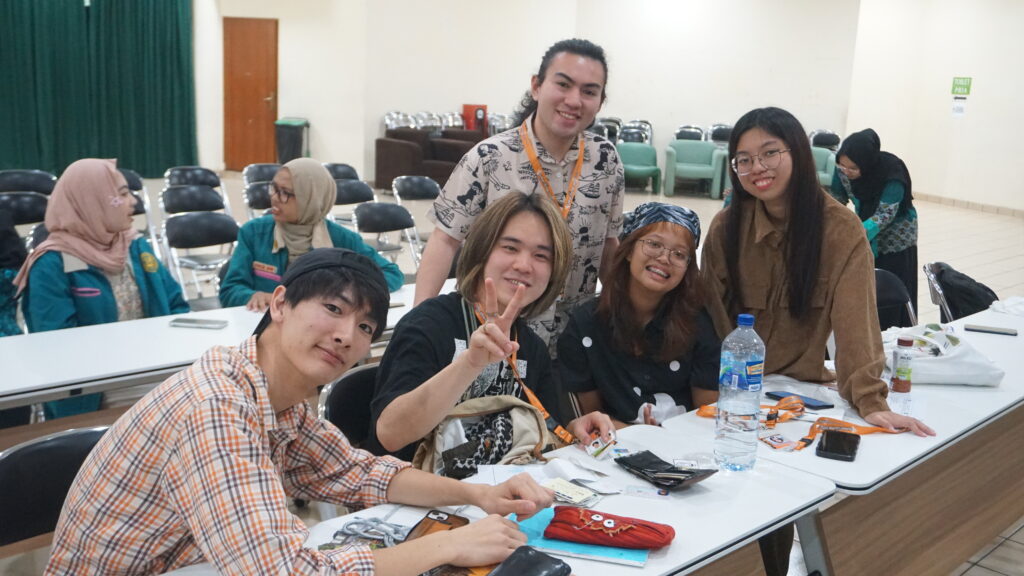
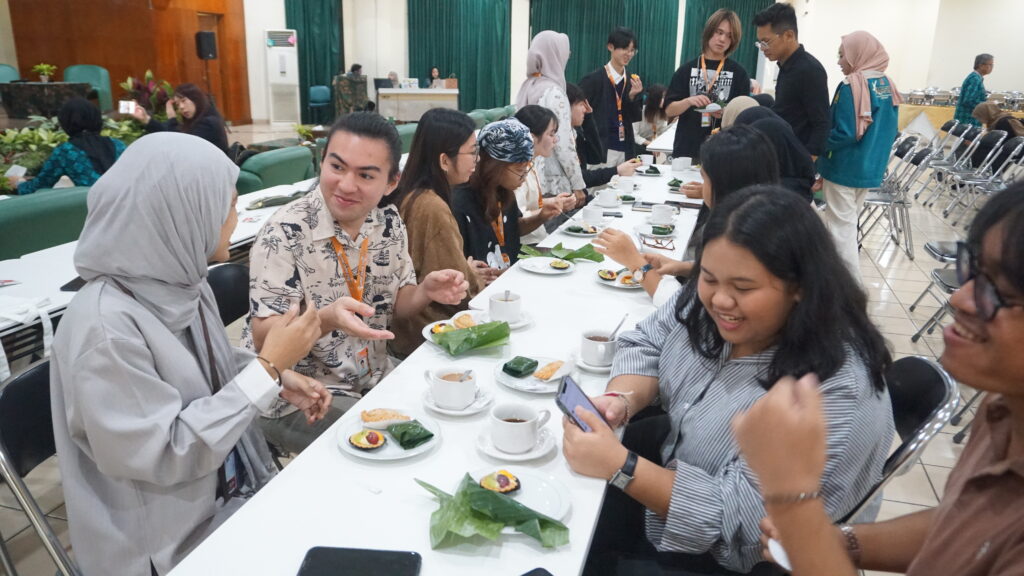
The Summer Course involves academic lectures, scholarly discussions, a Studium Generale delivered by three invited speakers, and field excursions to Yogyakarta, Bogor Botanical Garden, and selected learning sites at IPB University, providing participants with comprehensive academic and practical perspectives on tropical and cultural landscapes.
The Head of the Department of Landscape Architecture, IPB University, Dr. Akhmad Arifin, stated that tropical landscapes are strongly shaped by climate, geography, and culture. He highlighted that cultural landscapes in Indonesia are inseparable from local traditions, belief systems, and ways of life. Through this Summer Course, international and local students are expected to gain deeper insight into the relationship between landscape and culture while strengthening academic networks and mutual understanding.
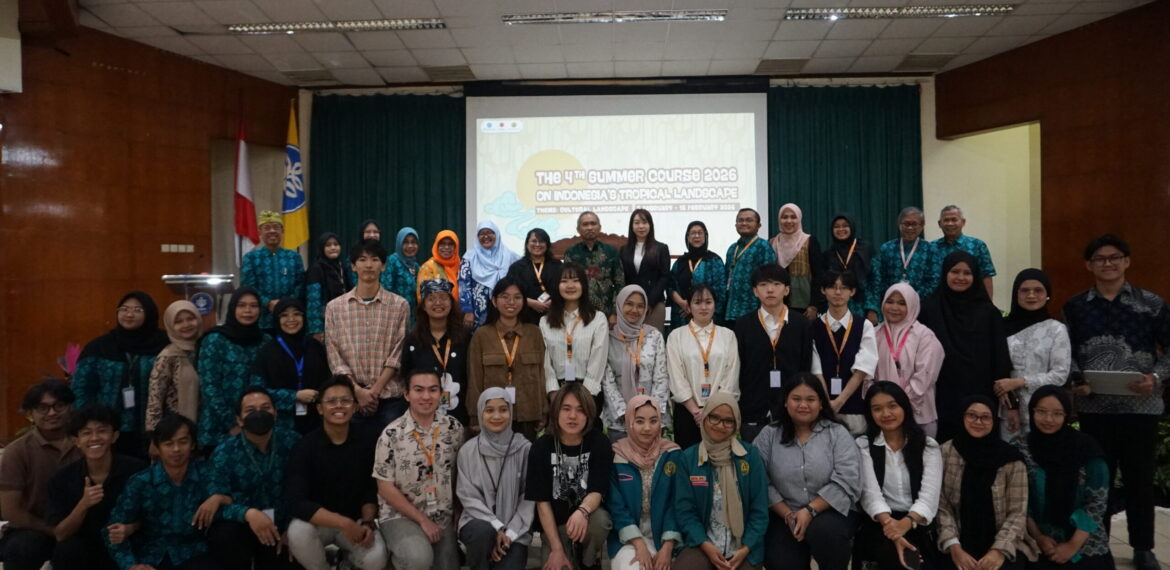
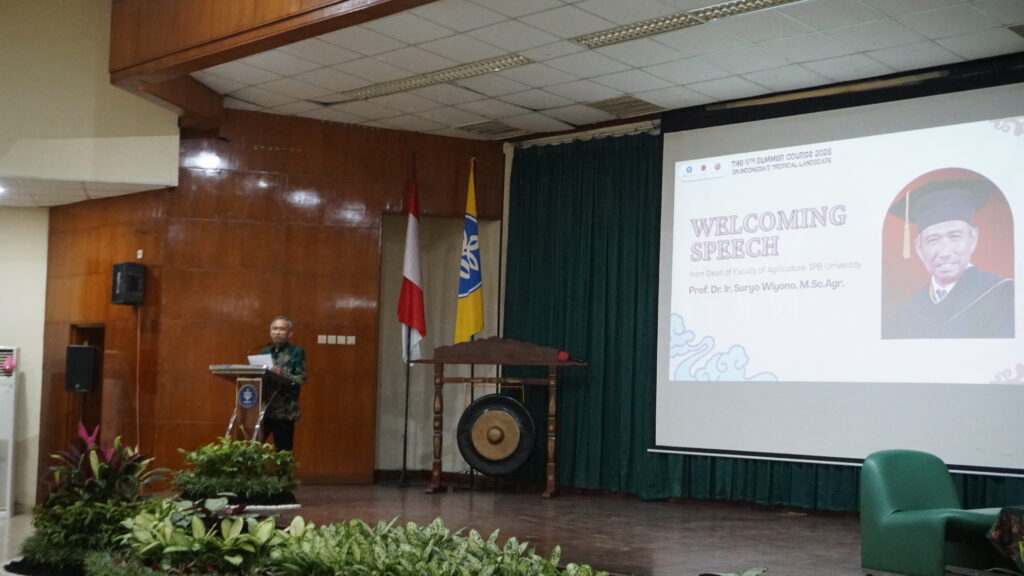
Welcoming remarks were also delivered by the Dean of the Faculty of Agriculture, IPB University, Prof. Dr. Ir. Suryo Wiyono, followed by the official opening speech from the Vice Rector for Global Connectivity, Collaboration, and Alumni of IPB University, delivered by Puji Mudiana, S.P., M.A., Director of International Education. The opening session concluded with a photo session featuring the Summer Course tagline, “Cultural Landscape Together!”, and a short coffee break.
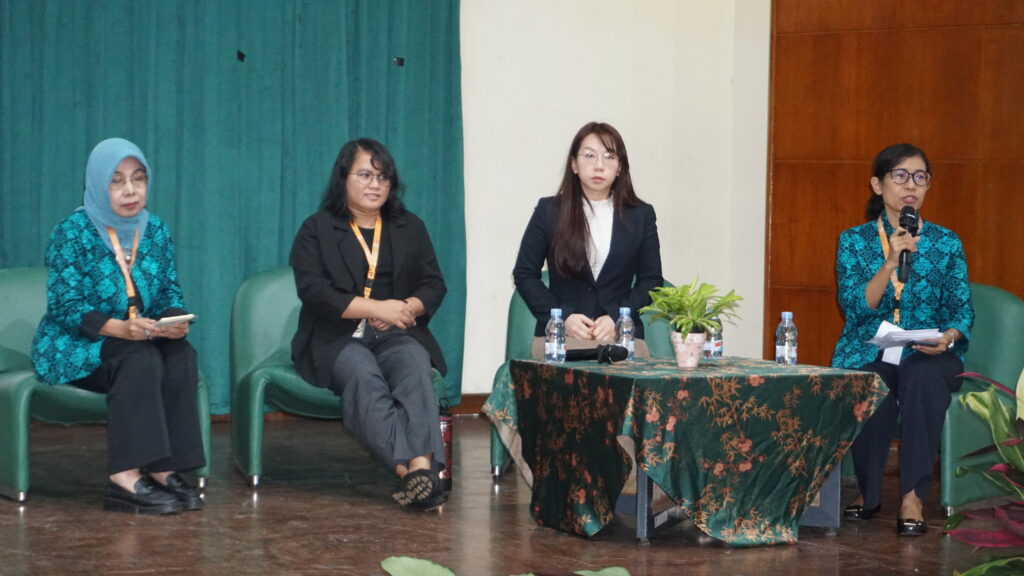
The Studium Generale session was moderated by Dr. Vera Dian Damayanti and began with an orientation session on Chiba University delivered by Assistant Professor Jiang Xiaohuan, Ph.D., introducing the Faculty of Horticulture and its academic focus.
Three keynote speakers delivered lectures during the seminar session.
Assistant Professor Jiang Xiaohuan, Ph.D. (Chiba University, Japan) presented a lecture entitled “Mechanisms and Challenges of Cultural Landscapes in Japan.” He explained that Japanese cultural landscapes are dynamic systems shaped by continuous interaction between natural processes and human activities. Through case studies such as the gassho-zukuri villages of Shirakawa-go, terraced rice fields, and water management systems around Lake Biwa, he highlighted the importance of community participation, traditional practices, and shared governance in sustaining resilience. He also discussed challenges such as depopulation, aging communities, and the decline of traditional knowledge, as well as new approaches in landscape planning for climate change adaptation.
The second speaker, L. Arch., En. P. Christine E. Talidong, MENRM (Bulacan State University, Philippines), delivered a presentation titled “Landscape Architecture for the Wicked Problems of Cultural Landscape.” She emphasized that cultural landscapes represent the combined works of nature and humans and are highly sensitive to modern development pressures. She underlined the need for interdisciplinary collaboration in addressing complex challenges such as urbanization, climate change, and socio-economic pressures. Landscape architects, she noted, play a crucial role in integrating culture, physical landscapes, and community welfare through design, management tools, and collaborative frameworks.
The third speaker, Dr. Ir. Nurhayati, M.Sc. (IPB University), presented a lecture entitled “Cultural Landscape in Indonesia: Characteristics – Conservation – Development.” She explained that Indonesia’s cultural landscapes are shaped by local wisdom, tropical environments, and spiritual values passed down through generations. However, modernization and weak conservation efforts have threatened their sustainability. She stressed that conservation must prioritize harmony between ecological protection and community welfare, and that the unique characteristics of Indonesian cultural landscapes can inspire future landscape planning, design, and management.
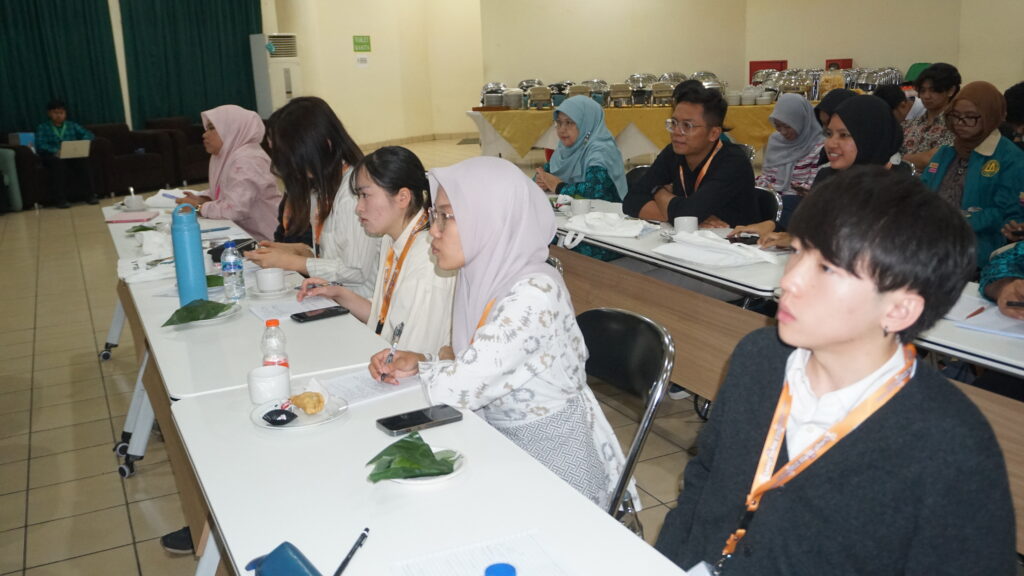
The session continued with an interactive discussion and question-and-answer session involving participants and speakers, followed by the presentation of certificates. The program concluded with a pre-test session guided by Prita Ayu and an introduction to fieldwork activities led by Solihin Nafar.
Through this Opening Ceremony and Studium Generale, the Summer Course 2026 is expected to serve as a platform for academic excellence, cultural exchange, and strengthened international collaboration in the field of cultural landscape studies.