Participants of The 4th Summer Course Explore Traditional Markets and Cultural Heritage Sites in Yogyakarta
Participants of The 4th Summer Course Explore Traditional Markets and Cultural Heritage Sites in Yogyakarta
 webmaster
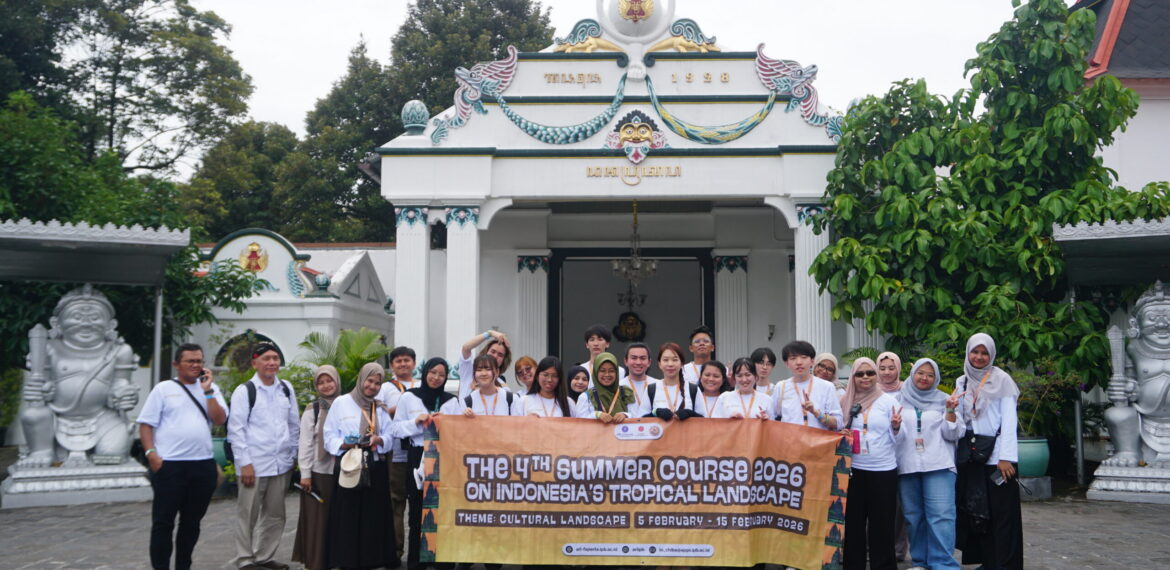
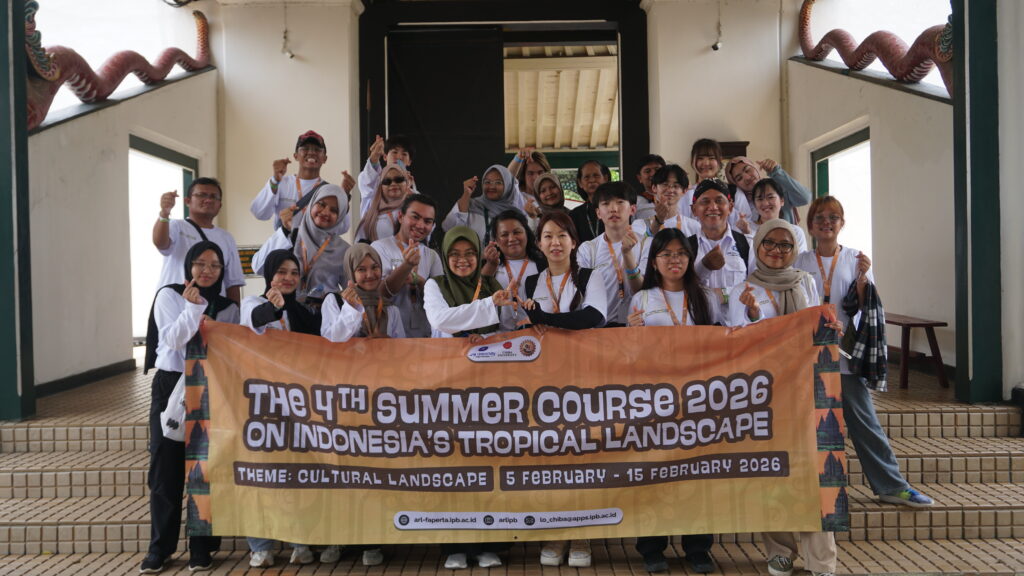
Yogyakarta, February 10, 2026 – Participants of The 4th Summer Course on Indonesia’s Tropical Landscape, themed Cultural Landscape, carried out a series of cultural visits in Yogyakarta on Tuesday (10/2) as part of the program’s field-based learning activities.
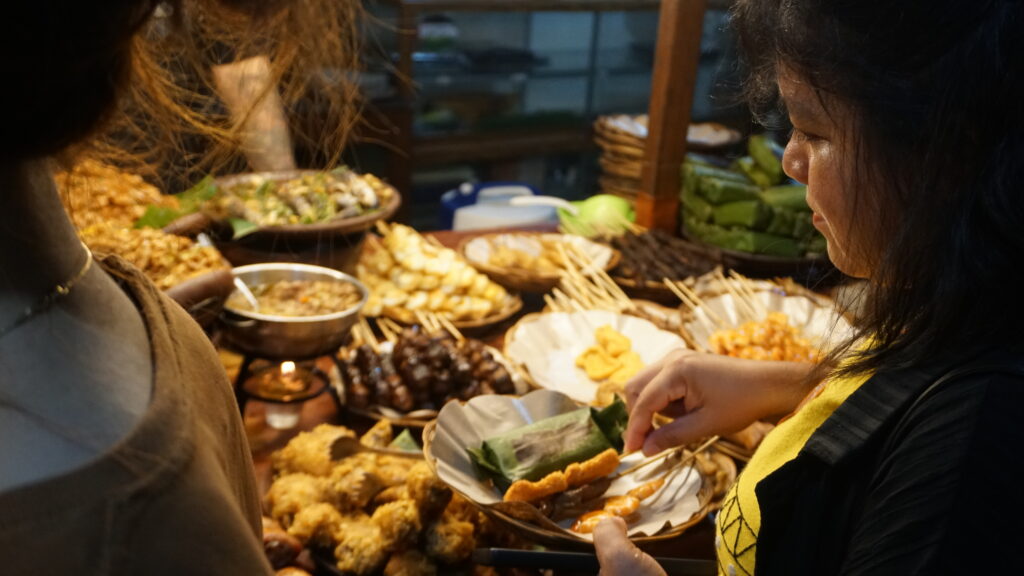
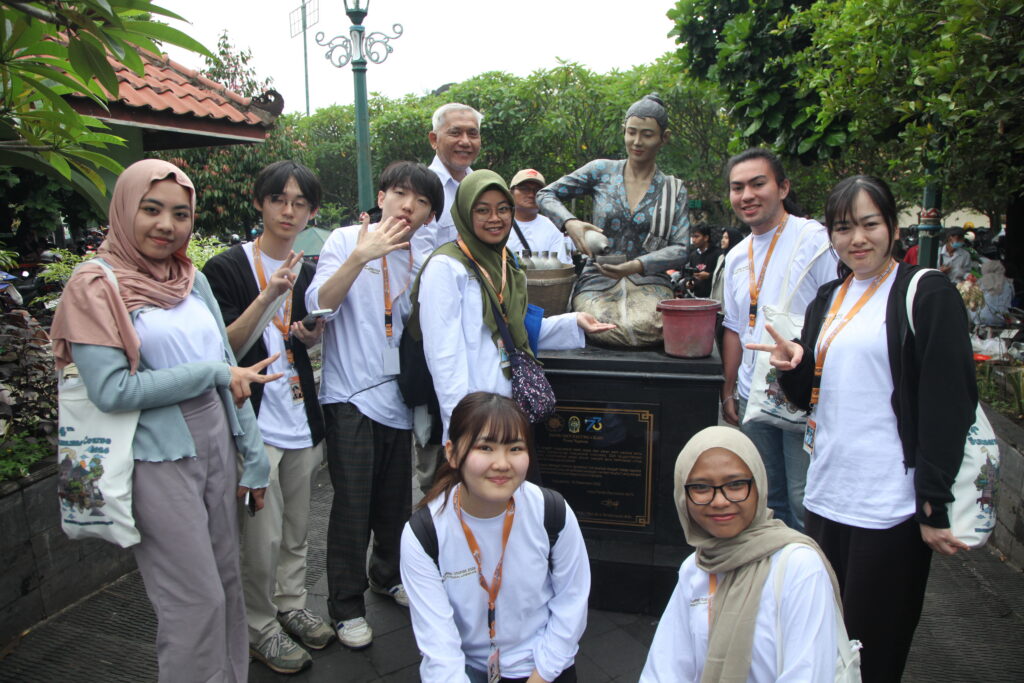
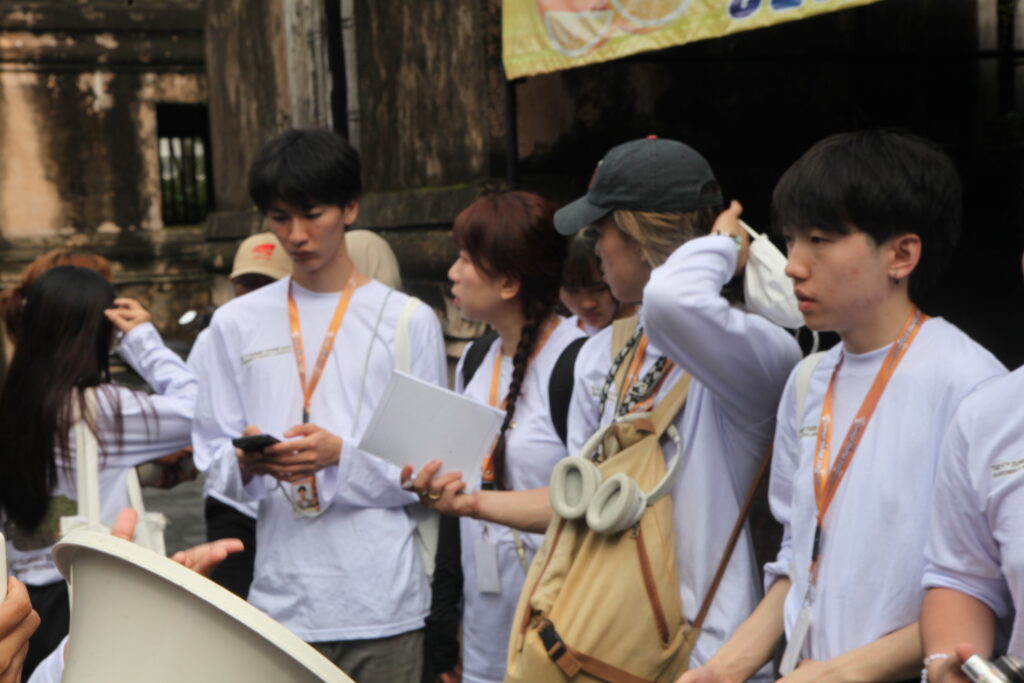
The day began with a visit to Ngasem Market, located near the Taman Sari Water Castle area. At the traditional market, participants experienced local culinary culture by tasting several traditional snacks, including wingko babat, bakpia, and selorot. The visit provided insight into daily economic activities and food traditions that form an integral part of Yogyakarta’s cultural landscape.
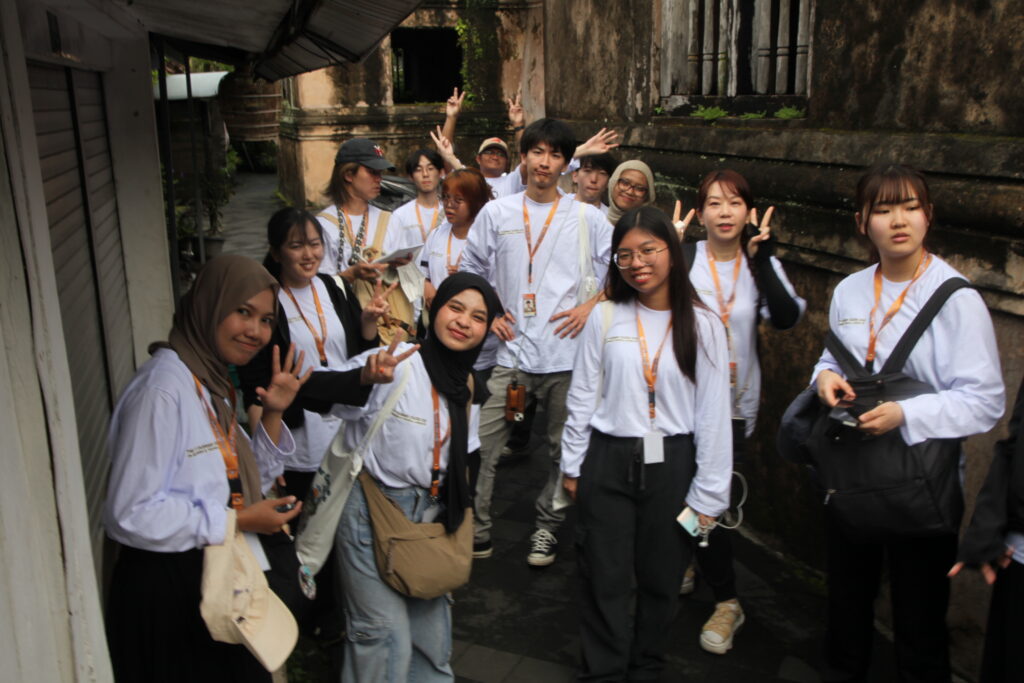
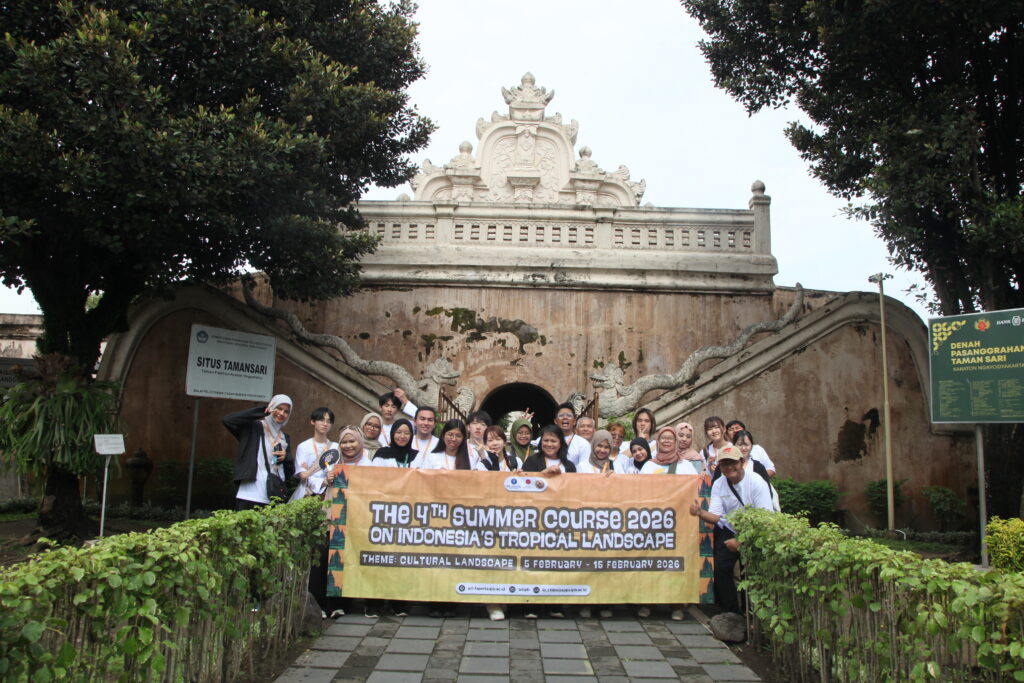
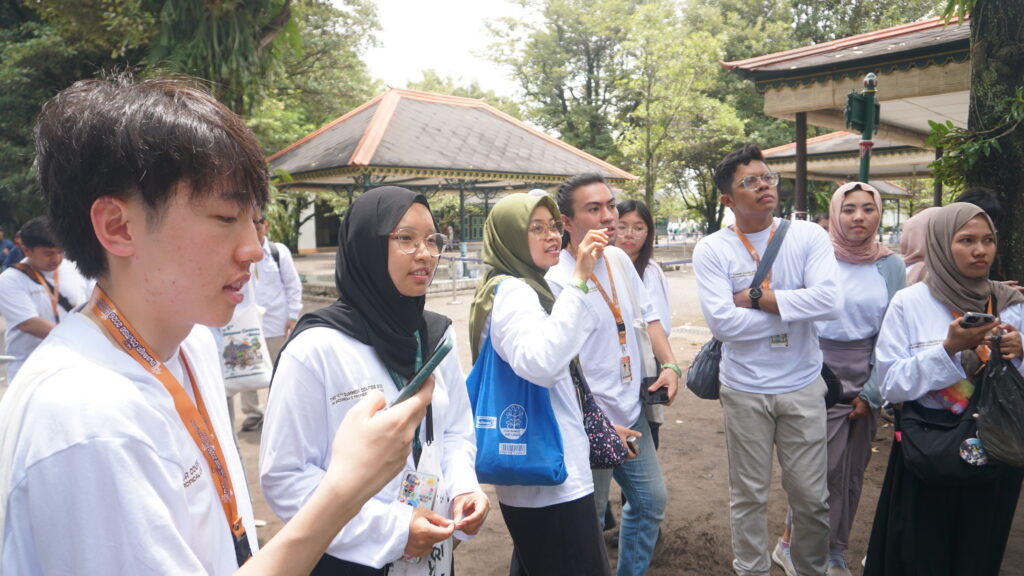
Afterward, the group continued to Taman Sari Water Castle, a historic site that once served as a royal garden and bathing complex of the Yogyakarta Sultanate. Participants explored various parts of the complex, including pools, underground tunnels, and architectural structures that reflect the blend of Javanese, European, and Islamic influences in royal landscape design.
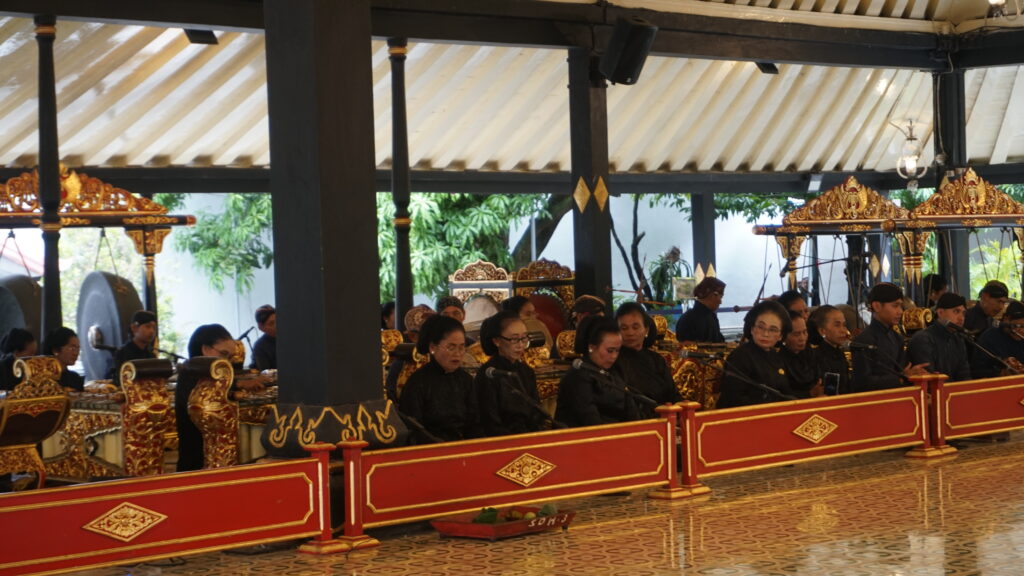
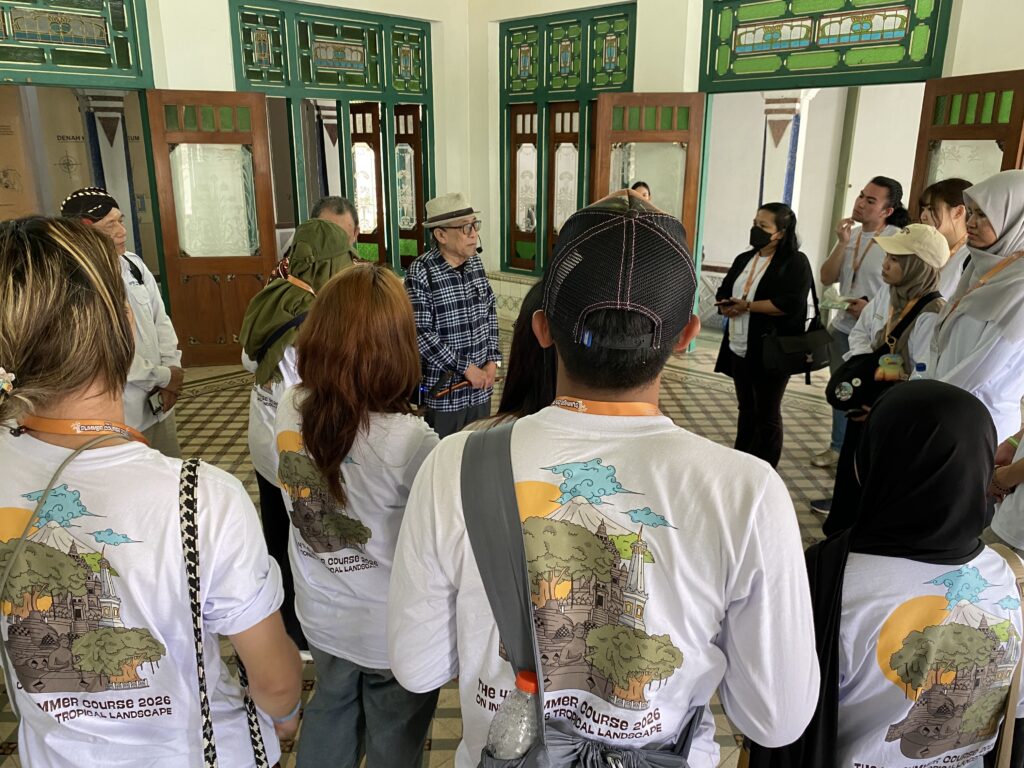
The participants then traveled to the Kraton Yogyakarta using a local shuttle service to experience daily transportation used by residents. At the palace complex, they learned about the cultural and political center of the Yogyakarta Sultanate, observing palace courtyards, traditional buildings, and cultural artifacts. During the visit, participants had the opportunity to see a gamelan performance.
For lunch, the group visited Bale Raos Restaurant, where participants tasted traditional dishes prepared based on recipes from the Yogyakarta royal kitchen. This culinary experience introduced participants to the historical connection between food culture and the royal heritage of Yogyakarta.
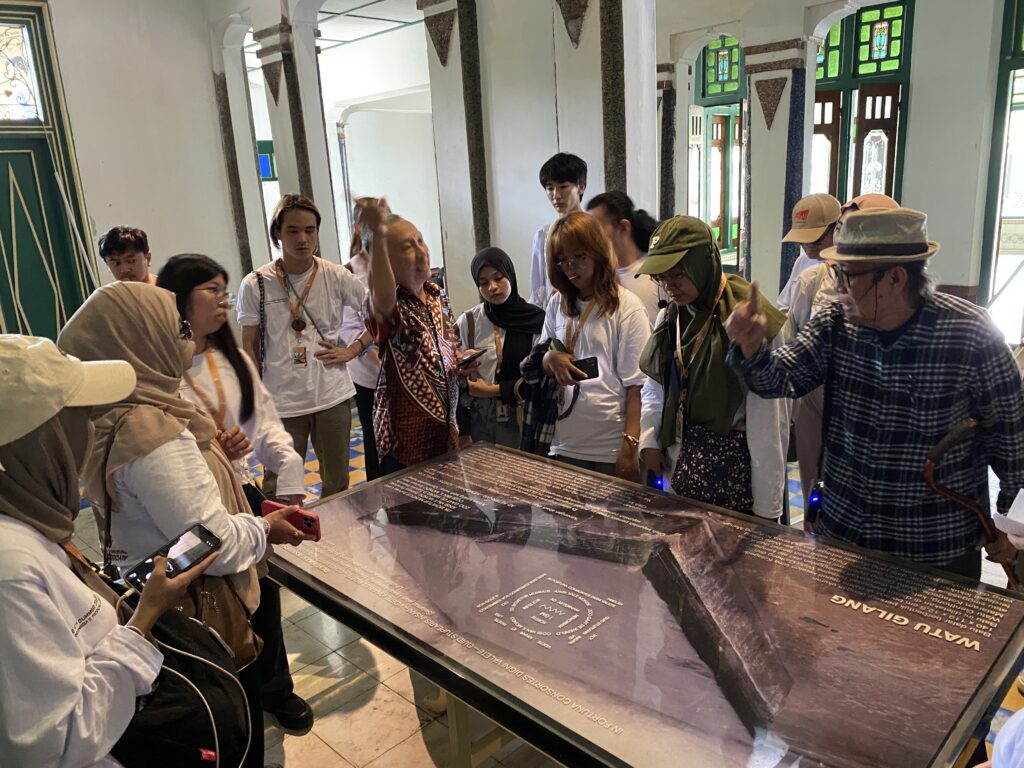
In the afternoon, participants visited the Kotagede Museum, located in the former capital of the Mataram Sultanate. The museum visit provided information on the historical development of Kotagede, traditional silver craftsmanship, and the urban heritage of the area. The visit highlighted the role of Kotagede as an important cultural and economic center in Javanese history.
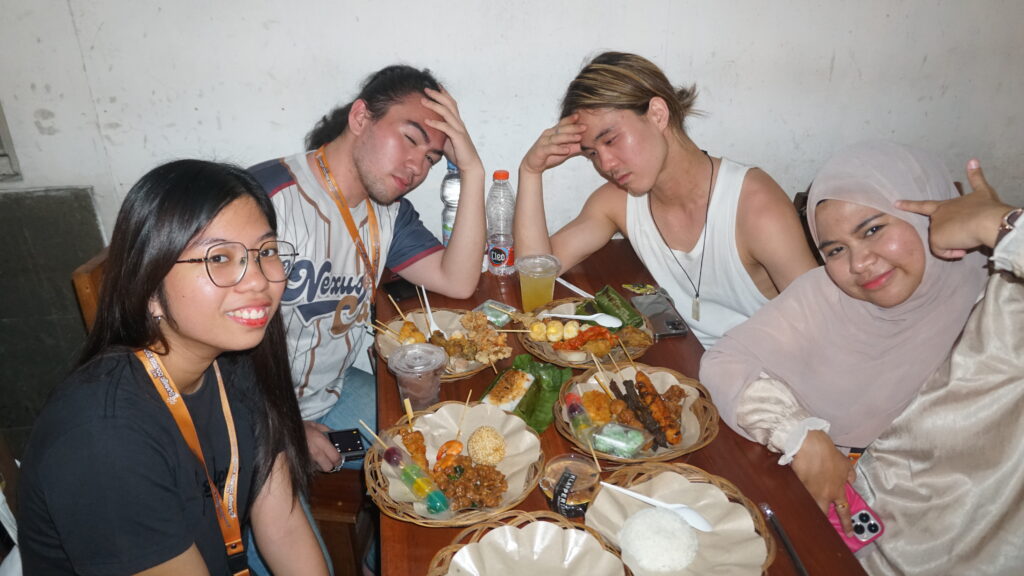
The day concluded with a visit to Malioboro Street, where participants explored the main shopping and cultural corridor of Yogyakarta. They purchased local souvenirs and experienced traditional street food at an angkringan in Pendopo Lawas, allowing them to engage directly with the city’s contemporary cultural life.
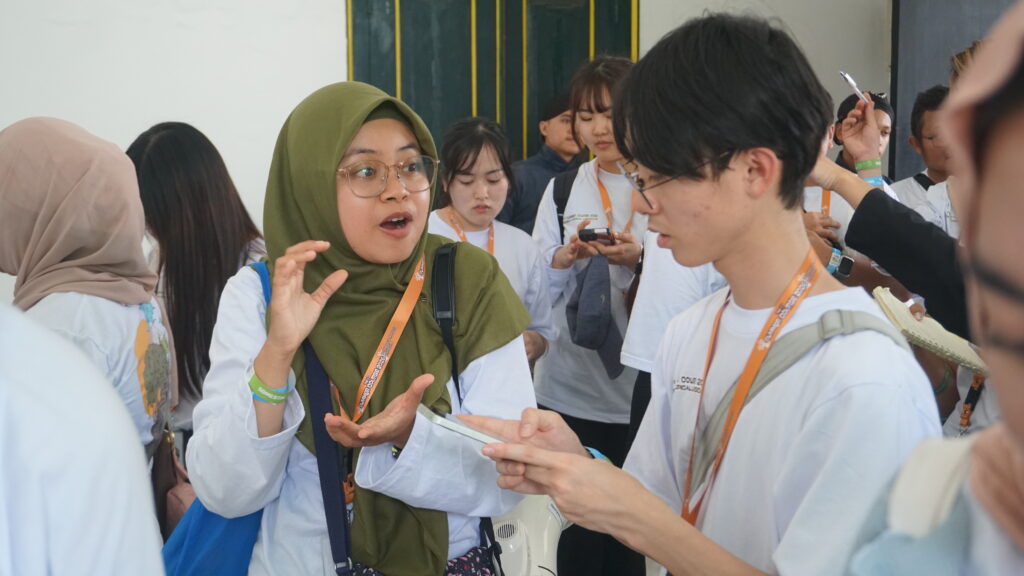
According to the organizing committee, the series of visits aimed to strengthen participants’ understanding of Yogyakarta’s cultural landscape by connecting historical sites, traditional markets, royal heritage, and urban public spaces within one integrated learning experience.
This activity is part of the ten-day program of The 4th Summer Course on Indonesia’s Tropical Landscape, which is designed to enhance participants’ academic and practical understanding of tropical landscapes and the application of the cultural landscape concept in Indonesia.